
Current state of MCP Protocol implementations across programming languages

As part of our ongoing work prototyping and developing MCP servers and LLM applications, we closely follow the different SDKs available, or emerging, for implementing MCP servers and clients in various programming languages. Some of these we’ve tested firsthand, such as TypeScript, Python, and Ruby, since they are part of our daily toolkit. Others we’ve evaluated from a distance, tracking their evolution so we can better advise clients working with different languages on which SDK best fits their needs and whether it’s mature enough for production use.
We’ll start with the three we’ve worked with directly, TypeScript, Python, and Ruby, before reviewing others that we’re monitoring closely.
Python SDK
 modelcontextprotocol
The Python SDK is one of the two most mature implementations in the MCP ecosystem. Its documentation stands out for its clarity and completeness. It not only covers how to create MCP servers and clients in Python but also explains the protocol’s core concepts, with examples for each component. It’s an excellent starting point for understanding MCP as a whole.
A major strength of this SDK is its use of modern Python features and full type support through standard type hints, along with validation via Pydantic, dataclasses, or TypedDict for structured outputs. Given MCP’s rapid evolution, type safety is key for keeping projects maintainable as the protocol evolves.
We’ve particularly appreciated how easy it is to spin up new MCP servers. The SDK’s FastMCP module, together with the use of decorators to define tools and resources, results in clean, self-documenting code that’s simple to extend and maintain. There’s no need for complex boilerplate; a class-based structure and decorators are enough to build readable and well-organized servers.
TypeScript SDK
 modelcontextprotocol
The TypeScript SDK is equally mature, currently at version 1.21. Both this and the Python SDK show active development, with frequent commits, open issues, and pull requests for fixes and enhancements.
The TypeScript SDK provides a low-level, unopinionated set of primitives for implementing the MCP protocol. It doesn’t include a higher-level framework like Python’s FastMCP; instead, it gives developers the flexibility to design their own architecture around these primitives. This makes it ideal for teams that want full control over how their MCP servers and clients are structured.
TypeScript’s native type system is a major strength, offering excellent developer experience and safety. The SDK integrates smoothly with Zod for server-side schema definitions. Combined with TypeScript’s static typing, this results in a robust and ergonomic foundation for MCP development.
Ruby SDK
 modelcontextprotocol
We’ve also tested the Ruby SDK, where Shopify is one of the main contributors. Their influence is evident in the SDK’s developer-friendly design and concise documentation. The DSL provided for defining tools, resources, and other MCP components feels natural to Ruby developers and results in highly readable, maintainable code.
As with many Ruby libraries, the SDK encourages a structure that’s clean and scalable by default. It supports both STDIO and Streamable HTTP (including SSE) transports for servers and clients. When deploying, developers simply need to ensure their chosen HTTP adapter or application server supports SSE or streaming; this is straightforward with the right Rack or Puma setup.
Overall, the Ruby SDK feels stable and ready for production use, though a few features are still being implemented. Its main limitation is Ruby’s lack of native type support, which makes managing JSON-based request and response schemas more manual. Developers often need to instantiate custom classes to maintain consistent input/output structures across different message types.
Other SDKs we’re tracking
Java SDK

Developed jointly by the MCP organization and Spring AI, the Java SDK has strong documentation and already covers most of the protocol’s functionality. The core module supports STDIO and Streamable HTTP (including SSE) without requiring any external frameworks, while Spring-based transports are available as optional integrations. Rather than being heavily opinionated, it provides a solid baseline that can be easily adapted to different Java stacks. This makes it a compelling option for enterprises that rely on Java.
PHP SDK
 modelcontextprotocol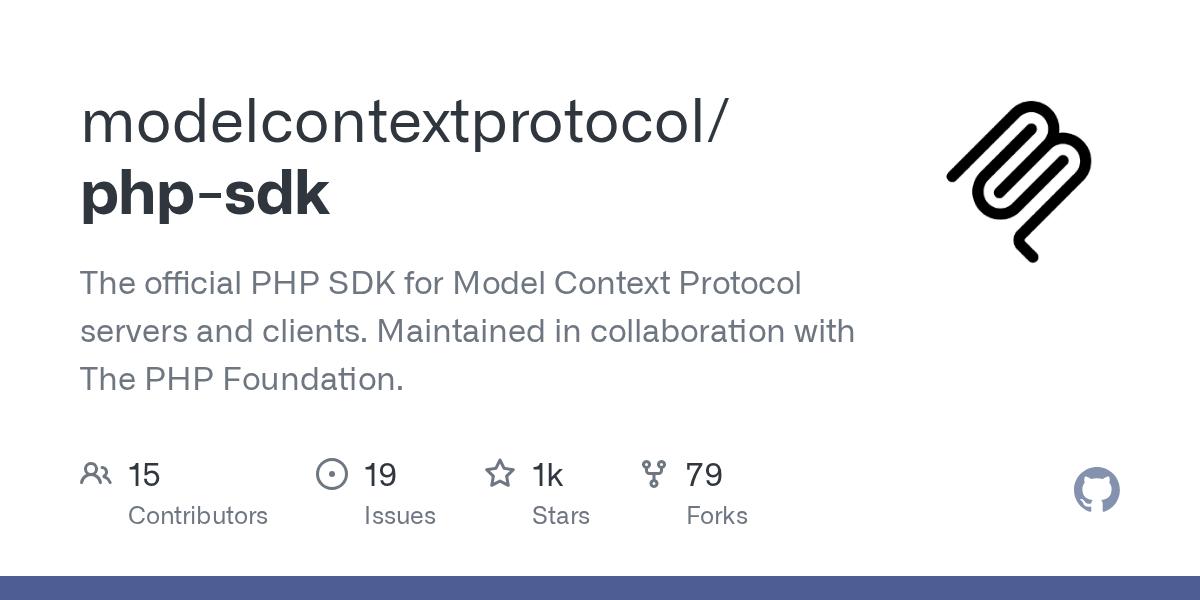
The PHP SDK is being developed with the PHP Foundation and Symfony. It remains experimental until it reaches version 1.0, but it already supports building MCP servers and is progressing quickly. A client implementation is currently in development. While not yet as stable as Python or TypeScript, it’s a promising option for PHP-based teams and worth following closely.
Rust SDK
 modelcontextprotocol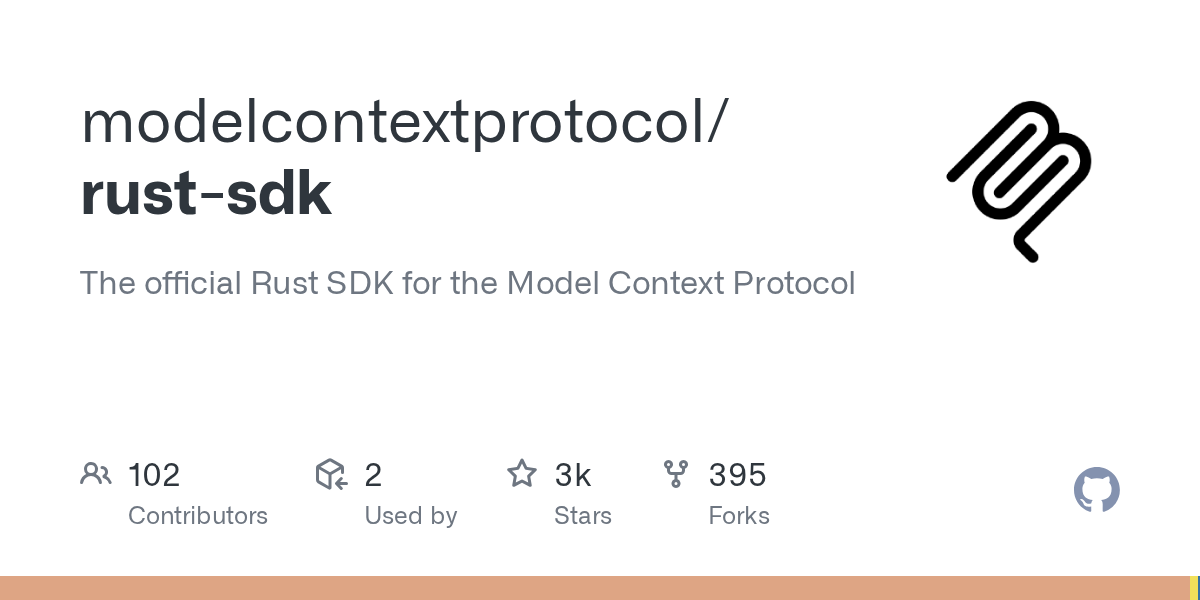
The Rust SDK is actively maintained and already supports STDIO, SSE, and Streamable HTTP transports. Rust’s performance and portability make it an excellent choice for local MCP servers or CLI-based tools where efficiency is key. The SDK continues to evolve rapidly, adding features like improved OAuth handling and macro support for easier server definition.
Final thoughts
The MCP ecosystem keeps evolving quickly. TypeScript and Python remain the most mature and widely adopted SDKs, offering the best balance between stability, flexibility, and developer experience. Ruby is a strong choice for teams already invested in that language. Java and Rust are emerging as powerful alternatives with distinct strengths, while PHP is progressing toward production readiness.
We’ll continue to experiment with these SDKs and track their progress to help our clients adopt the right technologies for their MCP and LLM projects.